Connections That Heal
How to See Signs of Growth in Your Healing Journey
The progress may be quiet, but it's happening. Here’s how to notice it.
Do you ever wonder if you’ll really heal?
And if you do—how will you know?
Healing can feel like working on a big project over time. I’ve often looked at my homestead and house and thought, Am I even making progress? Sometimes, it doesn’t feel like it. But when I look back at old photos and Facebook memories, I can see the growth—fields that were once scraggly undergrowth, or bare ground are now open pasture, and soil that was dry and lifeless has become rich and fertile.
These reminders help me separate truth from the story I’m telling myself.
In healing, we don’t get progress photos to remind us how far we’ve come. Or do we?"
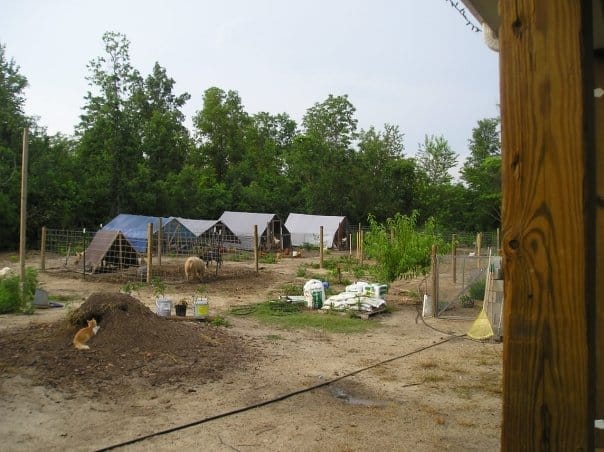
Year 2 facing north
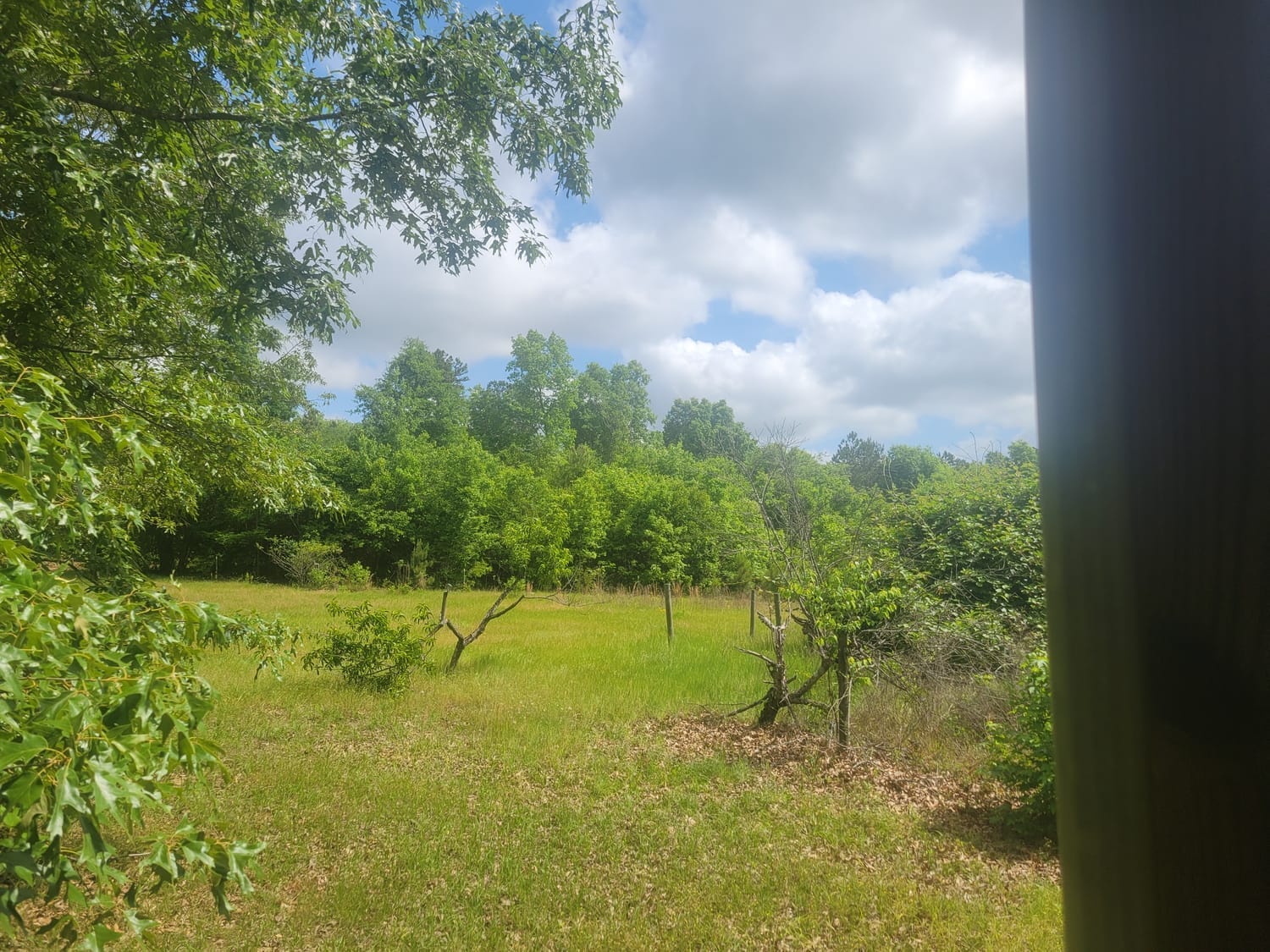
year 17 same spot, different camera!
Recently, I came across the idea of exposure dating therapy—not necessarily dating to find a partner, but dating to observe your own healing. The goal isn’t the relationship itself, but rather using the experience to notice where you’ve grown… and where you still need healing.
That idea resonated with me, and over the past few weeks, I’ve seen some encouraging signs of growth in myself.
1. I set a boundary with confidence.
I connected with someone on Facebook Dating. He seemed kind, no obvious red flags, and we had a fun, engaging conversation. Then, during a phone call, he told me, "You don’t have room in your life for a man."
Old me would have believed him. I might have doubted myself, taken my profile down, or even felt ashamed. Instead, I calmly responded:
“It’s fair for you to say that it doesn’t sound like I have the kind of space you need—but you don’t get to decide whether I have room for a man in my life.”
Afterward, I reflected on the conversation and realized I didn’t feel shaken. I didn’t second-guess myself or replay the moment endlessly in my mind. I recognized he wasn’t the right fit for me and blocked him—no drama, no doubt, no lingering what-ifs.
“I didn’t second-guess myself or replay the moment endlessly in my mind.”
2. I walked into a church and didn’t feel the need to explain myself.
I recently started a part-time job at a small church, working in the nursery. It’s been a while since I’ve attended a traditional church, and I wondered if I’d feel triggered.
On my first Sunday, a young woman asked if I had a regular church home. I simply said, “No, I don’t.”
That’s it. No over-explaining. No nervous justifications. Just an honest answer, and the conversation moved on. The following week, when a few women invited me to a small group after church, I thanked them and said, “I usually have plans on Sunday afternoons.” No guilt, no awkwardness. I was at peace with where I stood.
“No over-explaining. No nervous justifications. Just an honest answer,
and the conversation moved on.”
3. I took up space and expected respect.
Spring weather has me out walking on my country dirt road more often. Recently, some guys were speeding up and down the road, kicking up dust. Instead of shrinking back or just hoping they’d slow down, I stepped into the road, made eye contact, and motioned for them to slow down.
They did. I waved, said thank you, and they continued on—at a reasonable speed, with no dust trail for me to breathe!
In the past, I might have just tolerated the dust, telling myself I was being too sensitive or not wanting to “cause trouble.” But now? I recognized my right to be there, to take up space, and to have my presence respected.
“...in healing, we don’t get progress photos to remind us how far we’ve come. Or do we?”
What about you?
Can you think of a moment recently where you handled something differently—better—than you would have before?
What changed?
How do you see yourself differently because of it?
What can you celebrate?
I’d love to hear about it! Comment below and share your “progress photo” moment with me (or use the contact page to send me a note if you'd rather keep it private).
If you can’t think of one, ask God to bring something to mind—or to show you something new in the days ahead. Stay open to what He wants to reveal to you.
✨ Ready to Go Deeper in Your Trigger Healing?
If this story resonated with you, I created something to help you take the next steps: The Trigger Recovery Guide.
It's a gentle, practical resource to help you:
Understand why triggers happen
Respond with curiosity instead of fear
Start building new patterns that lead to real healing
You don't have to stay stuck.
Healing is possible — and you don't have to walk it alone.
Have a question? Or something to share?
I'd love to hear from you. Contact me here.